
Oxidative Stress in the Mouth: Can Antioxidants Help Protect Oral Health?
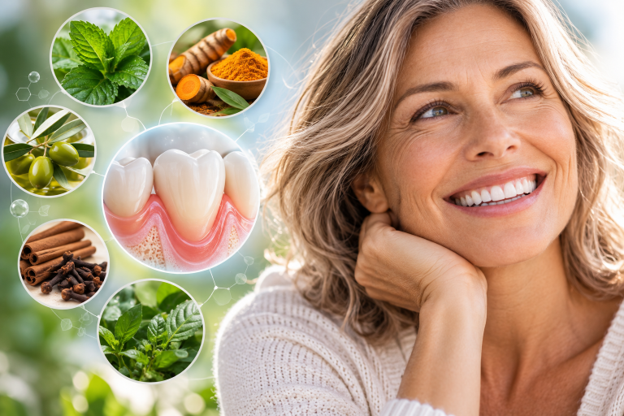
For most of us, the basic instructions for caring for our mouths have changed little over the years: brush your teeth, clean between them, limit sugar, and see your dentist regularly. That advice remains sound.
But science is giving us a much more sophisticated understanding of what actually happens inside the mouth—and why some people develop inflammation and periodontal disease while others appear to tolerate similar amounts of bacterial plaque with fewer consequences. One piece of that story is something called oxidative stress.
It sounds highly technical, but the basic concept is surprisingly simple. Our bodies constantly produce unstable molecules called reactive oxygen species, or ROS. In normal amounts, these molecules are not necessarily harmful. In fact, our immune system uses them to defend against bacteria and other threats.
Problems can develop when the balance shifts—when reactive molecule production exceeds the body's ability to control it. That imbalance is oxidative stress. And it doesn't occur only in the heart, brain, or other organs. It can also occur in the tissues surrounding your teeth.
Your Gums Are Part of Your Immune System
Periodontal disease is sometimes described simply as an infection caused by bacteria beneath the gums. That description is incomplete. Bacteria start the problem, but much of the tissue damage associated with periodontitis comes from how our immune system responds to a disrupted oral microbiome.
Think of plaque as the match and inflammation as the fire. When harmful bacterial communities accumulate around the teeth and below the gumline, the immune system responds. Immune cells move into the area and release inflammatory chemicals designed to control the threat. Reactive oxygen species are part of that defense. For a short period of time, this response can be protective.
When inflammation becomes persistent, however, excessive ROS can begin damaging the body's own cells and tissues. Proteins, lipids, DNA, connective tissue, and ultimately the structures supporting the teeth may all be affected. Researchers have been investigating this relationship for decades. One landmark scientific review by Chapple and Matthews described the important role that reactive oxygen species and antioxidant defenses appear to play in periodontal tissue destruction.
This changes the way we should think about gum disease. The goal isn't simply to eliminate every bacterium from the mouth. That would be neither possible nor desirable. The mouth contains an extraordinarily complex community of microorganisms, many of which are normal and beneficial. The real objective is balance.
What Are Antioxidants?
If reactive oxygen species are one side of the equation, antioxidants are part of the body's counterbalance. Antioxidants are molecules that can neutralize reactive molecules or help the body's protective systems control them.
Some antioxidants are produced naturally within our bodies. Others come from our diet, particularly vegetables, fruits, herbs, nuts, legumes, olive oil, tea, and other plant foods. This is one reason dietary patterns rich in minimally processed plant foods repeatedly appear in discussions about healthy aging.
The same biology may be relevant to the mouth. Our saliva contains antioxidant defense systems, and researchers have found changes in oxidative and antioxidant markers in people with periodontal disease. This does not mean that taking an antioxidant supplement or rinsing with an antioxidant mouthwash will cure gum disease. Biology is rarely that simple.
But it raises an intriguing question: Could supporting antioxidant defenses complement the mechanical control of dental plaque? The answer at this point is: possibly—but with important qualifications.
Plaque Control Still Comes First
Before discussing turmeric, coconut oil, vitamins, or botanical mouth rinses, one point needs to be very clear. No antioxidant product replaces brushing, interdental cleaning, professional dental care, or periodontal treatment when disease is present.
Periodontal disease begins with a breakdown in the relationship between bacterial biofilm and the body's response to it. If substantial bacterial deposits and calculus remain around the teeth and beneath the gums, simply adding antioxidants does not remove the source of the problem.
This is similar to many other areas of health. You cannot compensate for smoking by taking vitamins, and you cannot overcome a chronically poor diet with a handful of supplements.
Oral health works much the same way. Start with the fundamentals. Disrupt plaque effectively. Maintain regular professional care. Don't smoke. Eat well. Control diabetes and other systemic risk factors.
Sleep adequately and move regularly. Then we can begin asking whether additional strategies might help create a healthier oral environment. That distinction—replacement versus complement—is important.
Why Oil Pulling Has Returned to the Conversation
One practice that has received renewed attention is oil pulling. Oil pulling comes from traditional Ayurvedic medicine and generally involves swishing an edible oil, frequently coconut or sesame oil, around the mouth for several minutes before spitting it out.
For years, claims surrounding oil pulling have ranged from reasonable to extraordinary. Some advocates suggest it can "detoxify" the body or treat a wide variety of systemic diseases. No convincing evidence supports claims like these. The more interesting question is whether oil pulling may have modest effects within the mouth itself.
Researchers have proposed several possible mechanisms. The physical act of moving oil throughout the mouth may help loosen debris. Oil may interact with hydrophobic—or fat-attracted—components of bacterial cell membranes. It may lubricate oral tissues. Coconut oil also contains fatty acids with biological properties.
A 2024 systematic review and meta-analysis examined 25 clinical trials with more than 1,100 participants, comparing oil pulling with chlorhexidine and other oral-hygiene interventions. The researchers concluded that oil pulling may benefit certain measures of oral health, though the quality of evidence varied considerably. Another meta-analysis found reductions in salivary bacterial counts but no significant improvement in plaque or gingival indices compared with controls. (PubMed)
In other words, there is a signal worth investigating, but not enough evidence to elevate oil pulling to the same level as established preventive care. That is exactly where it should remain for now: an optional adjunct, not an alternative.
What About Turmeric, Clove, Cinnamon, and Other Botanicals?
This is where the science becomes particularly interesting. Plants manufacture thousands of biologically active compounds, including polyphenols and other molecules with antioxidant properties. Several botanicals traditionally used in oral care are now being studied using modern laboratory and clinical methods.
Turmeric is probably the best-known example. Its principal bioactive compound, curcumin, has antioxidant and anti-inflammatory properties. Researchers have studied curcumin for a variety of oral conditions, including periodontal disease.
A 2024 systematic review examining locally applied curcumin as an adjunct to scaling and root planing found evidence of short-term improvements in certain periodontal measurements and reductions in some periodontal bacteria. Other systematic reviews have likewise identified potentially useful anti-inflammatory effects, although differences among formulations, study designs, doses, and treatment methods make broad conclusions difficult. (PubMed)
Clove contains eugenol, a compound familiar to dentistry for generations. Cinnamon contains numerous polyphenolic compounds. Peppermint contains naturally occurring phenolic substances as well.
These compounds demonstrate antioxidant or antimicrobial properties in laboratory studies. But this is where consumers need to be careful. Showing that a substance has antioxidant activity in a laboratory is not the same thing as demonstrating that putting it into toothpaste, mouthwash, or oil-pulling solution prevents periodontal disease in humans.
Concentration matters. Delivery matters. How long the compound remains in contact with the tissues matters. Its ability to penetrate those tissues matters. And most importantly, clinical outcomes matter. "Contains antioxidants" should therefore not automatically be interpreted as "clinically proven to improve oral health."
What About Vitamins?
Vitamin D is another interesting part of the oral-health discussion, although it works differently from the botanical antioxidants frequently marketed in oral-care products. Vitamin D participates in bone metabolism, immune regulation, and inflammatory processes. These functions make it biologically relevant to periodontal health.
Research has found associations between lower vitamin D status and periodontitis, although determining cause and effect is more complicated. A review in the Journal of Periodontal Research concluded that maintaining adequate vitamin D appears biologically important for periodontal health but emphasized the need for better long-term studies. A systematic review and meta-analysis likewise found lower serum vitamin D concentrations among people with periodontitis in some analyses and modest benefits when vitamin D supplementation was combined with nonsurgical periodontal therapy. (PubMed)
That does not mean everyone with bleeding gums should start taking high doses of vitamin D. It means something more fundamental: oral health is influenced by the nutritional and metabolic health of the entire person.
And that brings us to the larger lesson.
Your Mouth Does Not Live Separately From Your Body
For much of modern health care, dentistry and medicine developed along largely separate tracks. Biology never made that distinction. The tissues surrounding your teeth have blood vessels, immune cells, connective tissue, nerves, and metabolic processes just like tissues elsewhere in the body.
Inflammation does not suddenly become a different biological phenomenon because it occurs above the neck. Oxidative stress is particularly interesting because it appears across many chronic conditions associated with aging, including cardiovascular disease, metabolic dysfunction, neurodegenerative disease, and periodontal disease.
This does not mean periodontal disease causes all of these conditions, nor does it mean taking antioxidants prevents them. It means they share biological pathways worthy of our attention. The mouth can therefore provide valuable clues about what is happening throughout the body. Chronically bleeding gums, progressive periodontal pockets, bone loss, dry mouth, recurrent inflammation, and changes in the oral microbiome should not simply be regarded as isolated dental problems. They are biological signals.
The Best Antioxidant Strategy May Not Come in a Bottle
The commercial wellness industry has trained us to look for a product whenever science identifies a potentially beneficial molecule. Antioxidants provide a good example.
If antioxidants are beneficial, the immediate question becomes: Which antioxidant supplement should I buy?
That may be the wrong question. Our bodies evolved to obtain thousands of bioactive compounds from food—not isolated nutrients consumed in enormous quantities. A diet rich in colorful vegetables and fruits, legumes, nuts, seeds, herbs, spices, extra-virgin olive oil, and other minimally processed foods provides a complex mixture of vitamins, minerals, polyphenols, fiber, and phytochemicals.
That dietary pattern also influences blood sugar, vascular health, the gut microbiome, inflammation, body weight, and metabolic health—all of which can indirectly influence oral health. The Mediterranean dietary pattern is a useful example. It is not healthy because of one "superfood." Its strength comes from the pattern.
The same principle applies to oral care. There probably will never be one magical toothpaste, rinse, oil, vitamin, or botanical that can overcome poor oral hygiene and an unhealthy lifestyle. Health is cumulative.
So, Should You Use Antioxidant Oral-Care Products?
For most people, the reasonable answer is that they may be considered as an adjunct if the product is safe and well tolerated. But expectations should remain realistic.
An antioxidant-containing toothpaste, botanical rinse, or oil-pulling routine may eventually help support aspects of the oral environment. Some ingredients already have encouraging preliminary evidence. We still don't have strong enough evidence to say these products prevent or treat periodontal disease independently of conventional care.
That distinction matters. If your gums bleed regularly, if you have persistent, bad breath, gum recession, loose teeth, or a history of periodontal disease, don't try to solve the problem with coconut oil or turmeric.
Have the underlying cause diagnosed. Periodontal disease can progress quietly. By the time a tooth becomes mobile, you may have already lost substantial supporting bone.
A Better Model of Prevention
For decades, dentistry understandably focused on removing plaque and repairing disease-related damage. The future of prevention may be broader.
We are beginning to understand oral health as an interaction among the microbiome, immune response, inflammation, nutrition, genetics, metabolic health, saliva, behavior, and environmental exposures. Oxidative stress sits at the intersection of several of these pathways.
That doesn't make antioxidants a miracle treatment. It makes them one part of a much larger biological story.
After more than four decades in dentistry, I believe one of the most important shifts in health care is moving from treating isolated diseases to understanding the conditions that allow health to persist. In the mouth, that means we should certainly continue asking: How effectively are we removing harmful plaque?
But we should also ask: What kind of biological environment are we creating? Are we supporting healthy tissues? Are we controlling chronic inflammation? Are we eating in ways that support metabolic and immune health? Are we maintaining adequate saliva? Are we addressing smoking, diabetes, sleep, nutrition, and other factors that influence how our bodies respond to bacterial challenges?
Antioxidant-rich oral care may eventually become one useful piece of that strategy. The science is promising enough to watch—but not strong enough to abandon the fundamentals. And perhaps that is the most useful lesson.
The future of oral health is unlikely to come from choosing between traditional dental care and newer biologically oriented approaches. It will come from combining what we already know works with a deeper understanding of the biology behind health and disease.
Brush. Clean between your teeth. See your dental professional. Eat well. Don't smoke. Manage your overall health. And as the evidence develops, we may discover additional ways to help the remarkable ecosystem inside our mouths remain in balance. Because taking care of your mouth has never been only about your teeth. It is part of taking care of you.
References
1. Chapple ILC, Matthews JB. The role of reactive oxygen and antioxidant species in periodontal tissue destruction. Periodontology 2000. 2007;43:160–232. doi:10.1111/j.1600-0757.2006.00178.x.
2. Jong FJX, Ooi DJ, Teoh SL. The effect of oil pulling in comparison with chlorhexidine and other mouthwash interventions in promoting oral health: A systematic review and meta-analysis. International Journal of Dental Hygiene. 2024;22(1):78–94. doi:10.1111/idh.12725. (PubMed)
3. Peng TR, Cheng HY, Wu TW, Ng BK. Effectiveness of oil pulling for improving oral health: A meta-analysis. Healthcare. 2022;10(10):1991. (PubMed)
4. Chaubal TV, Ywen BS, Ying TY, Bapat R. Clinical and microbiologic effect of local application of curcumin as an adjunct to scaling and root planing in periodontitis: Systematic review. Irish Journal of Medical Science. 2024;193(4):1985–1994. doi:10.1007/s11845-024-03635-3. (PubMed)
5. Ridho FM, Syachputra AJ, Nur'aini AD, et al. Pre-clinical and clinical efficacy of curcumin as an anti-inflammatory agent for periodontitis: A systematic review. Journal of Oral Biology and Craniofacial Research. 2024. (PubMed)
6. Lu EMC. The role of vitamin D in periodontal health and disease. Journal of Periodontal Research. 2023;58(2):213–224. doi:10.1111/jre.13083. (PubMed)
7. Liang F, Zhou Y, Zhang Z, et al. Association of vitamin D in individuals with periodontitis: An updated systematic review and meta-analysis. BMC Oral Health. 2023;23:387. doi:10.1186/s12903-023-03120-w. (PubMed)
8. Ustianowski Ł, Ustianowska K, Gurazda K, et al. The role of vitamin C and vitamin D in the pathogenesis and therapy of periodontitis—narrative review. International Journal of Molecular Sciences. 2023;24(7):6774. doi:10.3390/ijms24076774. (PubMed)
Medical note: This article is for educational purposes and is not a substitute for individualized dental or medical diagnosis or treatment.