
Ozempic and Your Oral Health: What Dental Patients Need to Know About This Popular Weight Loss Medication
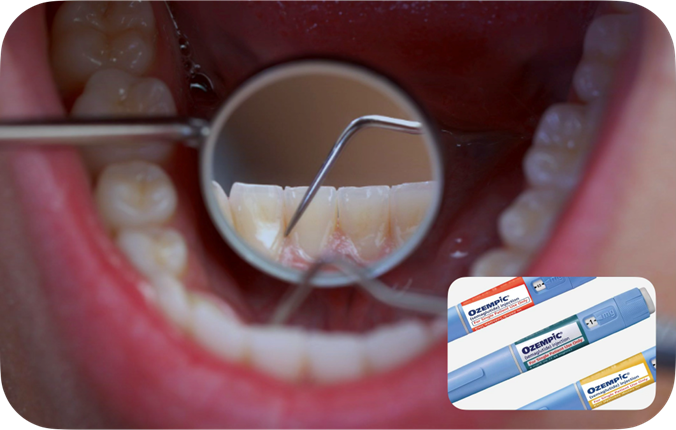
In recent years, Ozempic has become one of the most talked-about medications in both medical and popular culture. Originally developed to help manage type 2 diabetes, it is now widely used for weight loss due to its effectiveness in reducing appetite and supporting sustained weight reduction.
For many patients, Ozempic has been life-changing. It can improve blood sugar control, promote weight loss, and reduce the risk of serious conditions such as heart disease. These are significant benefits that should not be overlooked. However, like any medication, it also comes with side effects—and some of these can affect your oral health in ways that are not always immediately obvious.
As dental professionals, it is important to help patients understand how systemic medications can influence the mouth. The oral cavity is closely connected to overall health, and changes elsewhere in the body often show up here first. If you are currently taking Ozempic, or considering it, understanding its potential dental implications can help you protect your teeth and gums while still benefiting from the medication.
What Is Ozempic and Why Is It So Popular?
Ozempic (semaglutide) belongs to a class of medications known as GLP-1 receptor agonists. These drugs mimic a natural hormone that helps regulate blood sugar levels and appetite. By slowing gastric emptying and increasing feelings of fullness, Ozempic helps patients eat less and lose weight over time.
While its original purpose was to treat type 2 diabetes, its weight loss benefits have made it increasingly popular among patients without diabetes. This broader use has drawn
new attention to side effects that extend beyond blood sugar control—including those affecting oral health.
The Mouth-Body Connection
Before discussing specific side effects, it is important to understand that the mouth does not function in isolation. Saliva, diet, hydration, immune response, and even mental health all influence oral conditions. Medications like Ozempic can affect several of these factors simultaneously, which is why dental changes may occur even though the drug does not directly target the teeth or gums.
Dry Mouth: The Most Common Dental Concern
One of the most frequently reported issues among patients taking Ozempic is dry mouth, also known as xerostomia.
Dry mouth can develop for several reasons:
• Reduced appetite may lead to decreased fluid intake
• Nausea can discourage drinking and eating
• Slower digestion may alter hydration patterns
Saliva plays a critical protective role in the mouth. It helps neutralize acids, wash away food particles, and protect enamel from decay. When saliva production decreases, the mouth becomes more vulnerable.
Patients with dry mouth may notice:
• A sticky or uncomfortable feeling
• Cracked lips or corners of the mouth
• Bad breath
• Increased sensitivity
From a dental perspective, dry mouth significantly increases the risk of cavities. Without enough saliva, bacteria can thrive and produce acids that damage tooth enamel more easily.
Increased Risk of Cavities
Another important consideration is how eating patterns change while taking Ozempic. Many patients report eating smaller amounts more frequently throughout the day rather than having full meals.
While this may support weight loss, it can create an environment where teeth are exposed to food and acid more often. Frequent snacking—especially on carbohydrate-rich foods—gives cavity-causing bacteria more opportunities to produce harmful acids.
Combined with dry mouth, this can accelerate tooth decay, particularly along the gumline or on exposed root surfaces in adults.
Acid Reflux and Enamel Erosion
Ozempic slows gastric emptying, which means food stays in the stomach longer. While this contributes to a feeling of fullness, it can also increase the likelihood of acid reflux or nausea in some patients.
When stomach acid enters the mouth—whether through reflux or vomiting—it can erode tooth enamel. Enamel is the protective outer layer of the tooth, and once it is lost, it does not regenerate.
Signs of enamel erosion may include:
• Increased tooth sensitivity
• Smooth or shiny areas on teeth
• Yellowing as underlying dentin becomes exposed
• Chipping or thinning edges
This type of damage often affects the inner surfaces of upper teeth first, making it easy to miss without a dental examination.
A critical point: brushing immediately after vomiting or reflux can actually worsen damage. Acid softens enamel temporarily, and brushing too soon can wear it away. Rinsing with water and waiting before brushing is a safer approach.
Gum Health: A Mixed Picture
The impact of Ozempic on gum health is more complex.
On one hand, improved blood sugar control—especially in patients with diabetes—can benefit the gums. High blood sugar is a known risk factor for gum disease, so better control may reduce inflammation and improve healing.
On the other hand, dry mouth can increase plaque buildup and irritation, potentially worsening gingivitis.
This means the overall effect on gum health varies from patient to patient. Some may see improvement, while others may experience new or worsening symptoms.
Oral Infections and Changes in the Oral Environment
A dry mouth environment also increases the risk of oral infections, particularly fungal infections such as oral thrush.
Thrush can present as:
• White patches on the tongue or inner cheeks
• A burning or sore sensation
• Altered taste
While not everyone taking Ozempic will experience this, the risk is higher in patients with reduced saliva, compromised immune systems, or poorly controlled diabetes.
Taste Changes and Dietary Shifts
Some patients report changes in taste or food preferences while taking Ozempic. Certain foods may become less appealing, while others—often softer or more carbohydrate-based options—may be easier to tolerate.
These changes can influence oral health indirectly. For example:
• Increased consumption of refined carbohydrates can raise cavity risk
• Avoidance of fibrous foods may reduce natural cleansing of teeth
• Reduced overall intake may decrease salivary stimulation
These subtle shifts can add up over time, particularly if oral hygiene routines do not adjust accordingly.
Healing and Overall Health Considerations
Although Ozempic itself is not known to directly impair healing, the broader context matters.
Patients using the medication may experience:
• Rapid weight loss
• Nutritional changes
• Ongoing metabolic conditions
All of these factors can influence how the body heals after dental procedures. For patients with diabetes, healing may already be slower, and maintaining stable blood sugar remains essential.
Psychological and Behavioral Factors
Weight loss medications can also influence behavior and daily routines. Some patients report fatigue, reduced motivation, or changes in routine due to nausea or appetite suppression.
This can affect oral care habits:
• Skipping brushing or flossing
• Reduced attention to oral hygiene
• Delayed dental visits
Additionally, the psychological impact of rapid weight loss—while often positive—can sometimes lead to changes in self-care priorities or stress levels, both of which can influence oral health.
What Ozempic Does Not Do
It is important to clarify a few common misconceptions.
Ozempic does not:
• Directly damage teeth
• Cause bone loss in the jaw
• Increase risk of conditions like osteonecrosis of the jaw
Any dental effects are indirect and manageable with proper care and awareness.
Practical Tips for Protecting Your Oral Health
Patients taking Ozempic can maintain excellent oral health with a few targeted strategies:
• Stay well hydrated throughout the day
• Use fluoride toothpaste to strengthen enamel
• Limit frequent snacking when possible
• Rinse with water after episodes of nausea or reflux
• Avoid brushing immediately after vomiting
• Chew sugar-free gum to stimulate saliva
• Maintain regular dental checkups and cleanings
Consistency is key. Small adjustments can significantly reduce the risk of complications.
When to Talk to Your Dentist
Patients should inform their dental provider if they are taking Ozempic, especially if they notice:
• Persistent dry mouth
• Increased tooth sensitivity
• Signs of erosion or discoloration
• Gum irritation or bleeding
• Changes in taste or oral comfort
Early detection allows for simple preventive measures rather than more complex treatment later.
A Balanced Perspective
Ozempic represents a significant advancement in the management of diabetes and obesity. Its benefits—including improved metabolic health and reduced risk of serious disease—are substantial.
At the same time, its growing use highlights the importance of understanding how systemic treatments affect oral health. The goal is not to discourage its use, but to ensure patients are fully informed and supported.
With proper awareness and preventive care, most dental side effects associated with Ozempic can be effectively managed.
References
• American Dental Association. “Xerostomia (Dry Mouth).”
• National Institute of Dental and Craniofacial Research. “Tooth Decay in Adults.”
• Wilding JPH et al. “Once-Weekly Semaglutide in Adults with Overweight or Obesity.” New England Journal of Medicine, 2021.
• Davies M et al. “Semaglutide 2.4 mg for Weight Management.” The Lancet, 2021.
• American Diabetes Association. “Standards of Medical Care in Diabetes,” updated annually.
Understanding the relationship between medications like Ozempic and oral health allows patients to make informed decisions and maintain a healthy smile while pursuing overall wellness.