
The Hidden Power of the Spaces We Occupy
We often think of health as something that happens inside the body. We focus on what we eat, how much we move, how well we sleep, how much stress we carry, and whether we are keeping up with medical and dental care. All of these matter. But there is another influence on health that is easy to overlook because it surrounds us so completely: the spaces we live and work in.
The rooms we enter every day are not neutral. They speak to the nervous system. They can make us feel calm or crowded, clear or scattered, energized or depleted. A dark room with poor lighting, stale air, heavy furniture, and too much clutter can subtly drain us before we even realize why. A bright, open, orderly space with natural light, good flow, fresh air, and a sense of beauty can shift our mood almost immediately.
This is where Feng Shui becomes an interesting bridge between ancient wisdom and modern health science.
Feng Shui is an ancient Chinese practice based on arranging space in a way that supports harmony, balance, and the smooth flow of energy. Traditionally, it speaks of qi, or life force, and considers how orientation, furniture placement, light, color, nature, and movement influence the feeling of a space. Some people approach Feng Shui spiritually. Others approach it practically. But even if we remove the mystical language, the central idea remains powerful: our environment affects how we feel, think, work, heal, and live.
I experienced this long before I had words for it.
My first dental office was small and tight. The spaces were compact. The rooms felt compressed. There was darker paneling, dark carpets, and a heaviness to the space. Nothing about it felt expansive. It was functional, but it did not feel alive. I could work there, but I never felt that the space supported me. It did not feel productive. It did not feel inspiring. It simply did not “feel right.”
At the time, I would not have called it Feng Shui. Those words, or that concept, were not a part of my vocabulary. I would not have spoken in terms of energy flow, environmental psychology, circadian rhythm, or biophilic design. I just knew the experience in my body. I knew how I felt each day. The space affected my mood, my sense of possibility, how I moved through the day, and how I managed stress.
Later, when I moved into a new dental office, the difference was dramatic. The new space was light, open, and filled with windows. The color scheme was brighter the room space felt more generous. Patients walked in and sensed that the office was inviting. The staff felt it too. There was more ease, more movement, more optimism, and a sense of flow. The space supported productivity rather than resisting it.
That experience taught me something that applies far beyond a dental office. We are not separate from our surroundings. We are constantly responding to them.
A well-designed space does not have to be expensive or elaborate. It does not require luxury furniture, imported stone, or a perfect architectural plan. A healthy space begins with awareness. How does the room make you feel when you walk in? Does it invite you to breathe more deeply, or does it make your shoulders tighten? Does it help you focus, or does it scatter your attention? Does it restore you, or does it quietly exhaust you?
Modern research increasingly supports what many traditions have long understood: the built environment influences health. Natural light, views of nature, indoor air quality, clutter, noise, color, layout, and spatial flow can all affect mood, sleep, stress, productivity, and even recovery.
One of the most important elements is light.
Human beings are biological creatures, not machines. Our bodies are tuned to the rhythm of light and darkness. Natural light helps regulate circadian rhythm, which influences sleep, hormone balance, alertness, mood, and energy. When people spend long hours in dim, windowless, artificially lit spaces, the body may lose some of the environmental cues it depends on. This can affect sleep quality, daytime alertness, and overall well-being.
That is why a room with windows often feels different. It is not only aesthetic. Light tells the body something. Morning light tells the brain that the day has begun. Bright daytime light supports alertness. Darkness at night helps prepare the body for sleep. When our indoor environments ignore these rhythms, our bodies may pay the price.
This is one reason my second office felt so different. The windows mattered. The brightness mattered. The sense of openness mattered. Patients and staff were not just seeing a nicer room. They were entering a different physiological experience.
Space also affects the nervous system through a sense of control and safety.
In Feng Shui, one common idea is the importance of placement: being able to see the entrance to a room, avoiding blocked pathways, and creating a sense of ease in movement. In modern terms, this relates to how the brain scans the environment. We are wired to notice whether we feel trapped, exposed, crowded, or oriented. A room with clear pathways and good visibility can feel calming. A room with obstacles, awkward furniture placement, harsh lighting, or visual confusion can create subtle tension.
You may not consciously think, “This room is stressing me.” But your body may know.
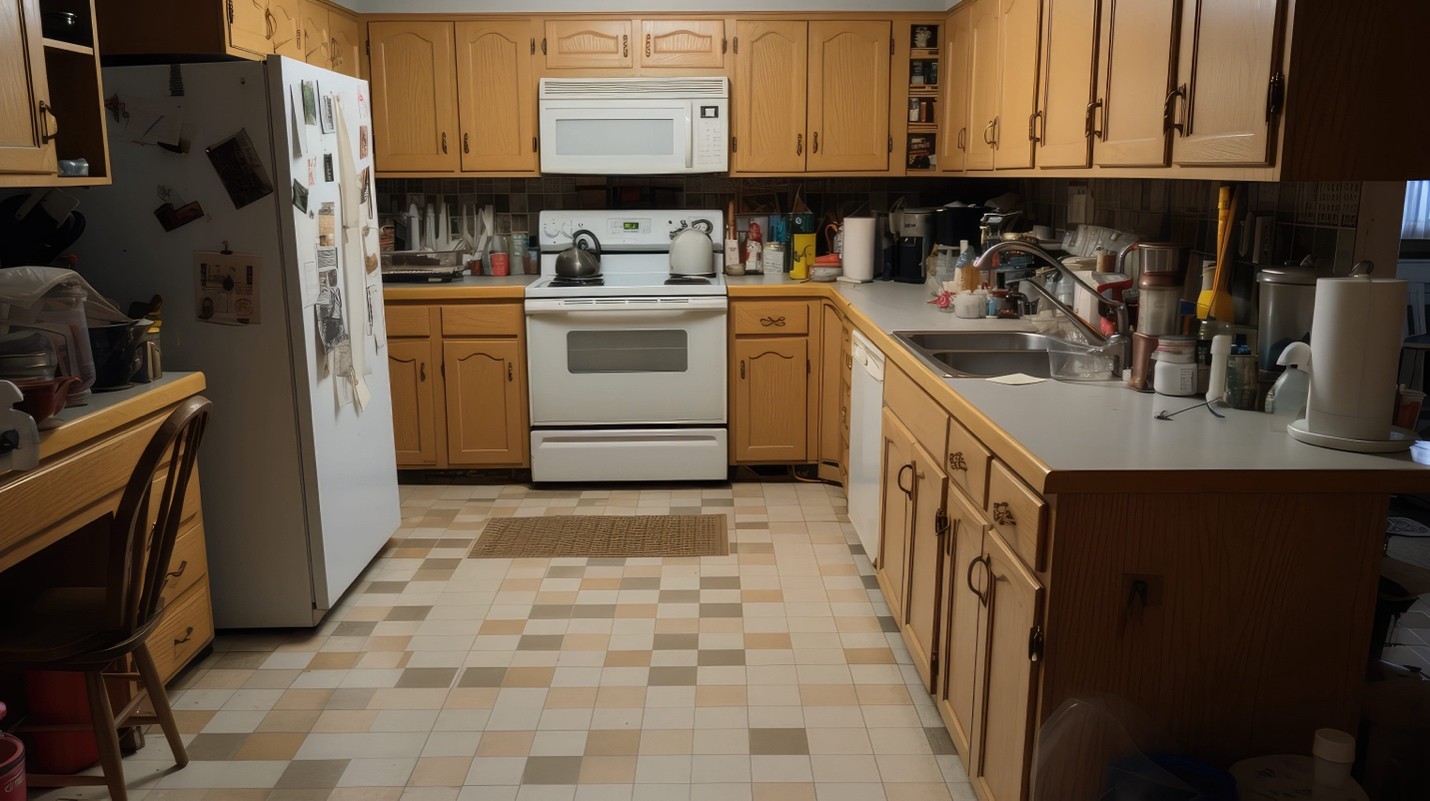
Clutter is a good example. A cluttered room is not just a collection of objects. It is visual noise. It competes for attention. It reminds us of unfinished tasks. It can make a space feel less restful, even if nothing actively stressful is happening. Many people underestimate how much mental energy disorganization consumes. A crowded desk, a chaotic closet, a kitchen counter covered in papers, or a bedroom filled with piles of clothing can keep the mind in a low-level state of agitation.
Decluttering, in this sense, is not about perfectionism. It is about reducing friction. It is about giving the mind fewer unnecessary signals to process.
Feng Shui often emphasizes flow, and that word is useful. A healthy room allows people to move easily. Doors open fully. Chairs are placed with intention. Walkways are not blocked. Light reaches into the room. Air circulates. The eye has places to rest. There is a rhythm between empty space and filled space. Too much emptiness can feel cold. Too much density can feel suffocating. A healthy space usually has balance.
This balance applies to color as well.
Colors affect mood by creating an atmosphere. Dark colors can be beautiful, dramatic, and grounding when used with intention. But in a small space with poor lighting, dark paneling, and carpets can feel heavy. They absorb light. They make walls feel closer. They can create a sense of compression.
Lighter colors often reflect light and create a sense of openness. Soft neutrals, natural tones, gentle greens, warm whites, pale blues, and earth tones can help a room feel calmer and more breathable. This does not mean every room should be white or minimal. It means that the color should support the room's purpose.
A bedroom should help the body let go of the day. A workspace should support focus and clarity. A kitchen should allow for a smooth workflow. A waiting room should reduce anxiety. A treatment room should feel clean, calm, and competent. A living room should invite connection. The emotional goal of the space should guide the design.
Nature is another major part of this conversation.
Biophilic design is a modern term that refers to the integration of natural elements into the built environment. This may include natural light, plants, wood, stone, water, views of trees, organic textures, natural colors, or even artwork that evokes landscapes. The idea is simple: human beings evolved in nature, and we still respond to natural cues.
A plant in a room may seem like a small thing. So may a window view, a natural wood table, a painting of water, or sunlight moving across a wall. But these details can soften the nervous system. They remind the body that it is not trapped in an artificial box. They create a sense of connection to life. This matters deeply in healthcare spaces.
Patients often arrive anxious. They may be in pain. They may be worried about a diagnosis, a procedure, a cost, or a previous bad experience. The design of a clinical space can either heighten that anxiety or help reduce it. Harsh fluorescent lights, cramped rooms, cluttered counters, old carpeting, and dark hallways may reinforce unease. Clean lines, natural light, comfortable colors, uncluttered rooms, and a sense of order can communicate safety before a word is spoken. The same principle applies at home.
Your home is not just where you sleep. It is where your nervous system recovers—or fails to recover. If the home constantly signals disorder, noise, tension, or unfinished obligation, it can be difficult to feel restored. A healthier home environment does not require perfection. It requires intentionality.
Begin with the spaces where you spend the most time. The bedroom is one of the most important. It should support sleep, not stimulation. That means reducing clutter, limiting bright screens before bed, using softer lighting in the evening, keeping the room cool and comfortable, and creating a sense of calm. In Feng Shui terms, the bedroom should feel protectedand restful. In health terms, it should support nervous system downshift and sleep quality.
The kitchen is another powerful space. A cluttered, chaotic kitchen can make healthy eating feel more difficult. An organized, inviting kitchen makes it easier to prepare real food. When fresh fruit is visible, vegetables are accessible, counters are clean, and kitchen tools are easy to find, the space supports better choices. The environment either helps the habit or fights it.
Workspaces matter too. A desk facing a wall in a dark corner may make work feel like punishment. A workspace with natural light, a clear surface, a supportive chair, a plant, and a sense of order can improve focus. The goal is not decoration. The goal is reducing resistance.
This is the practical health lesson: design your space so the healthy choice becomes easier.
If you want to stretch in the morning, leave room for a mat. If you want to drink more water, keep a clear glass pitcher where you can see it. If you want to read instead of scrolling, place a book near your favorite chair and move the phone charger out of reach. If you want better sleep, make the bedroom darker, quieter, and calmer. If you want deeper connection, arrange chairs so people can face each other comfortably.
These are small environmental decisions with behavioral consequences.
Feng Shui can be understood as a practice of paying attention. It asks us not only what a room looks like, but what a room is doing to us. Is it supporting the life we say we want? Is it encouraging calm, health, connection, creativity, and purpose? Or is it reinforcing stress, distraction, fatigue, and stagnation?
This does not mean every uncomfortable feeling can be fixed by rearranging furniture. Health is complex. Stress, illness, relationships, finances, work, grief, trauma, sleep, nutrition, and movement all matter. But space is part of the equation. It is one of the quiet forces shaping daily life.
The danger is that we adapt to unhealthy environments and stop noticing them.
We get used to the dim room. We get used to the cluttered counter. We get used to the chair that hurts our back, the bedroom that never feels restful, the office that feels oppressive, the waiting room that raises anxiety. We tell ourselves, “That’s just how it is.” But the body keeps responding.
The first step is to walk through your own space as if you were entering it for the first time.
Notice where your body relaxes. Notice where it tightens. Notice which rooms attract you and which rooms you avoid. Notice where clutter collects. Notice whether natural light enters the home. Notice whether air feels fresh or stale. Notice whether your bedroom feels like a sanctuary or a storage unit. Notice whether your workspace helps you think or makes you feel t trapped. Then make one change.
Open the blinds each morning. Clear one surface. Move a chair. Add a plant. Change a harsh bulb to a warmer light. Remove something that no longer belongs. Create a path where movement feels easier. Place something beautiful where your eyes naturally land. Bring in a natural texture. Let the room breathe.
The goal is not to create a perfect home or office. The goal is to create a supportive environment.
My own experience moving from a dark, tight, uninspiring dental office into a light-filled, open, inviting space made that lesson unforgettable. The work was still demanding. The responsibilities were still real. But the environment changed the day's feeling. It changed how people entered. It changed how I moved. It changed the emotional tone of the practice.
That is the deeper connection between Feng Shui and health.
Space affects mood. Mood affects behavior. Behavior affects health. And health, over time, is shaped by the daily environments we return to again and again.
We often ask what we need to add to become healthier: more supplements, more routines, more discipline, more programs. Sometimes the better question is what we need to remove, rearrange, brighten, simplify, or restore.
A healthier life may begin with a healthier room.
Not because the room heals us by magic, but because the right space reminds the body how to breathe, the mind how to focus, and the spirit how to feel at home.
References
• Feng Shui is traditionally defined as an ancient Chinese practice concerned with arranging sites, buildings, and objects in harmony with qi, yin-yang, and the five elements. (Encyclopedia Britannica)
• A 2023 review of empirical and quantitative Feng Shui studies found that the field has attracted growing research attention, though the evidence base remains uneven and still developing. (PMC)
• Office workers with more daylight exposure have been reported to experience better sleep quality, longer sleep duration, more physical activity, and better quality-of-life measures than workers with less daylight exposure. (PMC)
• Roger Ulrich’s well-known hospital-window study found that surgical patients with views of nature had shorter postoperative stays and required fewer potent analgesics than matched patients whose windows faced a brick wall. (PubMed)
• Research on biophilic workplace design suggests that exposure to natural elements in work settings can support well-being, though the literature is still developing and varies by design approach. (PMC)
• The EPA notes that indoor air quality affects health and that source control, ventilation, and filtration can reduce exposure to indoor pollutants. (US EPA)
• The EPA also states that inadequate ventilation can increase indoor pollutant levels by failing to dilute and remove emissions from indoor sources. (US EPA)
• Research on home environments has linked stressful home descriptions with poorer mood patterns and altered cortisol patterns, especially in women studied in the UCLA-related home environment research. (PubMed)