
The Infections We Ignore: What UTIs and Tooth Decay May Be Doing to the Aging Brain
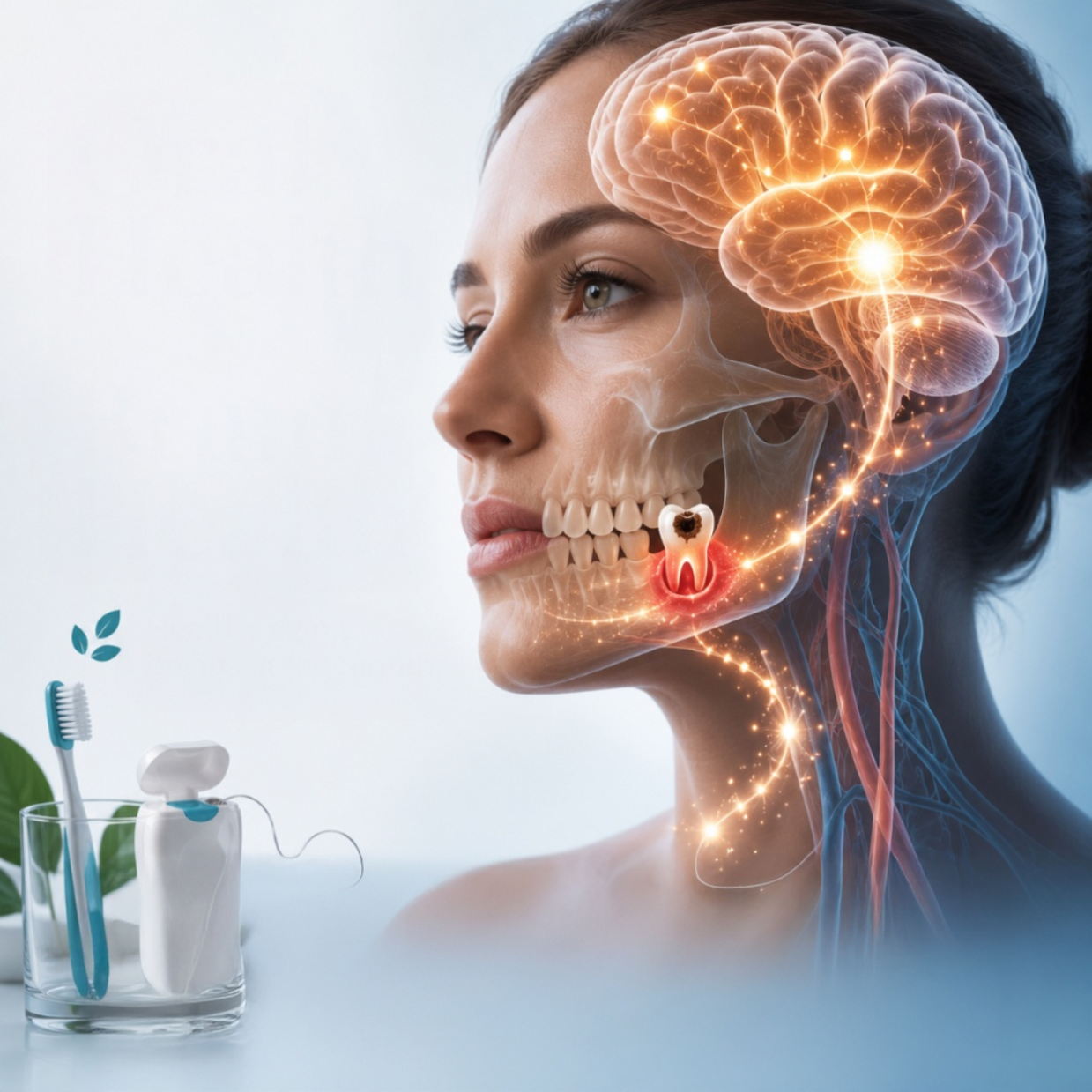
Most people think of urinary tract infections and cavities as temporary problems. An antibiotic treats the infection. A filling repairs the tooth. Life moves on.
But emerging research suggests the story may not end there.
A large nationwide study from Finland has raised serious concerns about the long-term consequences of severe infections on brain health. Researchers from the University of Helsinki analyzed health records from more than 370,000 individuals and found that people hospitalized for serious infections—including urinary tract infections (UTIs), pneumonia, and severe dental infections—had a significantly higher risk of developing dementia years later. The association remained strong even after researchers adjusted for dozens of other health conditions commonly linked to cognitive decline.
Perhaps most alarming was the finding that individuals under the age of 65 who experienced serious bacterial infections or pneumonia had nearly double the risk of developing early-onset dementia.
This research reinforces a growing understanding in medicine: the brain does not exist in isolation from the body. Chronic inflammation, immune activation, vascular injury, and infection may quietly shape cognitive health long before memory loss becomes visible.
And it also raises an uncomfortable question:
What if some of the most common health problems we dismiss today are contributing to the neurological diseases we fear tomorrow?
The Brain Is More Connected to the Body Than We Once Believed
For decades, dementia was viewed largely through the lens of aging and genetics. Some people developed it. Others did not. While lifestyle factors such as exercise, diet, and cardiovascular health were eventually recognized as important, infections were rarely discussed as part of the conversation.
That is beginning to change.
Scientists now understand that the brain is deeply connected to the immune system and vascular system. When the body experiences a severe infection, it does not remain confined to one location. A urinary tract infection may begin in the bladder, but the inflammatory response spreads throughout the bloodstream. Severe gum disease may start around the teeth, but the bacteria and inflammatory chemicals involved can circulate far beyond the mouth.
Inflammation itself is not inherently bad. In fact, it is essential for survival. It helps the body fight infections and heal injuries.
The problem arises when inflammation becomes excessive, chronic, or recurrent.
Researchers increasingly believe that systemic inflammation may contribute to damage within the brain over time. Blood vessels become more vulnerable. Immune cells inside the brain become overactivated. Protective barriers may weaken. Microscopic injury accumulates slowly and silently.
Years later, cognitive symptoms begin to appear.
What the Finnish Study Found
The Finnish study, published in PLOS Medicine in 2026, examined national health registry data over many years. Researchers focused specifically on severe infections requiring hospital treatment and evaluated their relationship to later dementia diagnoses.
The infections associated with increased dementia risk included:
• Severe urinary tract infections
• Pneumonia
• Sepsis
• Serious bacterial infections
• Dental infections and advanced tooth decay
Importantly, the increased dementia risk persisted even after researchers adjusted for 27 additional chronic conditions, including:
• Heart disease
• Stroke
• Diabetes
• Hypertension
• Kidney disease
This matters because it suggests infections may play an independent role rather than simply occurring in already unhealthy individuals.
The timing was also notable. In many cases, the infections occurred five to six years before dementia was formally diagnosed. That gap suggests infections may not merely be a consequence of cognitive decline but could potentially contribute to the disease process itself.
The findings do not prove that infections directly cause dementia. But they strongly support the possibility that severe infections may accelerate underlying neurological vulnerability.
Why UTIs May Be More Dangerous Than We Realize
Urinary tract infections are among the most common infections in older adults, especially women.
Many people think of them as simple inconveniences associated with burning urination or urinary frequency. But in elderly individuals, UTIs often behave very differently.
In fact, one of the earliest signs of a UTI in older adults may not be urinary symptoms at all.
It may be confusion.
Family members often notice sudden disorientation, agitation, lethargy, hallucinations, or changes in personality. An older parent who was conversational the day before suddenly seems withdrawn or mentally “foggy.” Sometimes they appear almost delirious.
This occurs because systemic infection and inflammation can profoundly affect brain function, particularly in aging brains that may already be vulnerable.
While many individuals recover fully after treatment, repeated inflammatory insults may leave lasting consequences over time.
The Finnish study suggests these episodes may not always be temporary events without consequence. Severe UTIs requiring hospitalization could potentially contribute to long-term cognitive decline years later.
That possibility should change how we think about prevention.
Hydration, prompt treatment of urinary symptoms, management of diabetes, good hygiene, and avoiding unnecessary urinary catheter use are no longer merely comfort measures. They may also represent important strategies for preserving brain health.
The Surprising Link Between Tooth Decay and Dementia
Perhaps the most overlooked finding in the study was the association between severe dental disease and dementia risk.
Most people do not think of cavities or gum disease as inflammatory conditions capable of affecting the brain.
But dentistry and medicine have increasingly recognized the mouth as a major gateway to systemic health.
The mouth contains one of the largest bacterial environments in the body. When gums become chronically inflamed or infections spread deep into tooth structures, bacteria and inflammatory mediators can enter the bloodstream repeatedly.
This is particularly concerning in advanced periodontal disease, where chronic inflammation may persist for years.
Researchers have already linked poor oral health to:
• Cardiovascular disease
• Diabetes complications
• Stroke
• Adverse pregnancy outcomes
• Systemic inflammatory burden
Now dementia may need to be added to that list.
Several studies have detected oral bacteria associated with periodontal disease inside the brains of patients with Alzheimer’s disease. While researchers are still debating the exact role these bacteria play, the connection between chronic oral inflammation and neurological health continues to strengthen.
As a dentist, I have often thought that oral health is one of the most underestimated aspects of preventive medicine.
People may ignore bleeding gums for years. They postpone treatment for broken teeth or infections because nothing hurts “that much.” Some view dentistry as cosmetic or optional rather than essential to overall health.
But the body does not separate the mouth from the rest of the person.
Chronic inflammation is chronic inflammation, regardless of where it begins.
Inflammation: The Common Thread
One of the most important ideas emerging from longevity and dementia research is that chronic inflammation appears to be a common denominator in many diseases of aging.
Heart disease, diabetes, arthritis, vascular disease, and neurodegenerative disorders all appear linked in some way to persistent inflammatory stress.
Scientists sometimes refer to this as “inflammaging”—the slow accumulation of inflammatory damage associated with aging.
Severe infections may act like accelerants poured onto an already smoldering fire.
When the immune system mounts an aggressive inflammatory response, the effects can ripple throughout the body:
• Blood vessels may become damaged
• Clotting activity may increase
• Oxidative stress rises
• The blood-brain barrier may weaken
• Brain immune cells may remain activated long after the infection resolves
Over time, these processes may contribute to structural and functional changes in the brain.
This does not mean every infection leads to dementia. Far from it.
But repeated or severe inflammatory events may gradually push vulnerable individuals closer to cognitive decline.
Prevention May Matter More Than We Think
One of the most hopeful aspects of this research is that many of these infections are preventable or manageable.
Unlike genetic risk factors, infections and inflammation are areas where lifestyle and healthcare interventions may genuinely make a difference.
Brain health may not depend on one dramatic intervention. It may depend on consistently reducing unnecessary inflammatory burden throughout life.
Some practical preventive measures include:
Maintaining Excellent Oral Health
• Regular dental examinations
• Professional cleanings
• Prompt treatment of decay and gum disease
• Daily brushing and flossing
• Managing dry mouth conditions
• Avoiding tobacco
Oral health is not merely about preserving teeth. It may also help reduce chronic systemic inflammation.
Reducing UTI Risk
• Staying well hydrated
• Managing blood sugar levels
• Promptly addressing urinary symptoms
• Avoiding prolonged catheter use when possible
• Maintaining general mobility and hygiene
Supporting the Immune System Naturally
The immune system functions best when supported by healthy lifestyle habits:
• Consistent sleep
• Regular physical activity
• Whole-food nutrition
• Stress management
• Social connection
• Avoidance of smoking
• Moderation with alcohol
These habits do not guarantee immunity from illness, but they help reduce chronic inflammatory stress.
Dementia Often Begins Long Before Symptoms Appear
One of the most sobering realities about dementia is that the disease process may begin many years before memory problems become obvious.
By the time noticeable cognitive decline appears, underlying brain changes may already be advanced.
That is why prevention matters so deeply.
Brain health is not built at age 75. It is shaped over decades.
Everyday choices accumulate over time:
• Sleep patterns
• Diet
• Exercise
• Blood sugar control
• Cardiovascular health
• Social engagement
• Inflammatory burden
• Infection prevention
The Finnish study reinforces the idea that preserving cognitive function may require thinking more broadly about health.
The body functions as an interconnected system. The bladder affects the brain. The gums affect the arteries. Chronic inflammation affects nearly everything.
Medicine has often divided the body into specialties and organ systems. But biology does not operate in separate compartments.
A Shift in How We Think About Aging
For many years, aging itself was viewed as the unavoidable explanation for cognitive decline. But modern research increasingly suggests that many aspects of aging are influenced by cumulative biological stressors rather than time alone.
That distinction matters.
We cannot stop time. But we may be able to reduce some of the physiological damage that accelerates aging processes.
The goal is not perfection or immortality.
Everyone will eventually experience some degree of physical decline. But preserving function, independence, memory, and quality of life for as long as possible remains one of the most meaningful goals in medicine and wellness.
Sometimes that begins with paying attention to the things people often ignore:
• Bleeding gums
• Recurrent infections
• Poor sleep
• Sedentary habits
• Chronic stress
• Nutritional neglect
Small daily decisions may matter far more than dramatic health “hacks.”
Final Thoughts
The Finnish study does not mean that every cavity or urinary tract infection leads to dementia. Fear is not the message here.
The message is awareness.
Severe infections may leave a deeper imprint on the body than we once understood. The inflammation triggered by these events may contribute to long-term changes in brain health, particularly in vulnerable individuals.
What makes this research especially important is that many of these risk factors are modifiable.
Good oral care. Prompt treatment of infections. Healthy lifestyle habits. Attention to inflammation. These are not glamorous interventions, but they may prove profoundly important over a lifetime.
We often think of dementia prevention as something futuristic involving advanced drugs or genetic therapies.
But part of the answer may already exist in basic preventive healthcare and everyday habits that support the body as an integrated whole.
The brain, after all, does not age separately from the rest of us.
References
• Sipilä PN, et al. The role of noninfectious comorbidities in the association between severe infections and risk of dementia in Finland: A nationwide registry study. PLOS Medicine. 2026.
• Holmes C, et al. Systemic inflammation and disease progression in Alzheimer disease. Neurology. 2009.
• Kamer AR, et al. Periodontal disease and Alzheimer’s disease: possible mechanisms linking oral infection to neurodegeneration. Journal of Alzheimer’s Disease. 2020.
• Cunningham C, Hennessy E. Co-morbidity and systemic inflammation as drivers of cognitive decline: new experimental models adopting a broader paradigm in dementia research. Alzheimer’s Research & Therapy. 2015.
• Dominy SS, et al. Porphyromonas gingivalis in Alzheimer’s disease brains: Evidence for disease causation and treatment with small-molecule inhibitors. Science Advances. 2019.